
"Caribbean coffee beans"
5000 article(s) found

Coffee bean producing area Caribbean boutique coffee beans Cuba (Cuba)
Cuba is famous for producing sugar, tobacco and coffee, which was introduced from Haiti by the French in the mid-18th century. According to the size of coffee beans, the grades are divided into ETL (Super), TL (Intermediate) and AL (ordinary). The coffee beans produced in Cuba are rich in texture and have a strong smoky taste. In Cuba, the cultivation of coffee is regulated by the state. The best coffee growing area in Cuba

Cuba Caribbean Coffee Bean Flavor Taste Aroma Description
Cubans usually treat coffee beans in two ways: sunning and washing. Solarization is the simplest, cheapest, and most traditional way to treat coffee. It involves drying the coffee fruit in the sun, but not fermenting it. The average drying time is about four weeks. The washing law allows the aroma of fruit to enter the coffee beans more, adding a rough fruit aroma to the coffee. Currently,

Introduction of Nicaraguan Coffee producing areas bordering the Pacific Ocean on the west and the Caribbean Sea on the east
Nicaraguan coffee Nicaragua coffee flavor characteristics: moderate acidity, fragrant and delicious. Nicaraguan coffee of high quality is in the forefront of coffee beans in the world and enjoys a good reputation. Its particles are moderate in size, mild in taste and very aromatic and mellow. Nicaragua is located in central Central America, bordered by the Pacific Ocean to the west and the Caribbean Sea to the east. The highlands in the north and the coastal plains in the east

Coffee bean producing areas-Caribbean-Cuba (Cuba)
Cuba is famous for producing sugar, tobacco and coffee, which was introduced from Haiti by the French in the mid-18th century. According to the size of coffee beans, the grades are divided into ETL (Super), TL (Intermediate) and AL (ordinary). The coffee beans produced in Cuba are rich in texture and have a strong smoky taste. In Cuba, the cultivation of coffee is regulated by the state. The best coffee growing area in Cuba

Columbia Snow Mountain Coffee Santa Marta Mountain-Bayernado single Coffee Bean Flavor
Professional coffee knowledge exchange more coffee bean information please follow the coffee workshop (Wechat official account cafe_style) the basic knowledge and flavor description of Colombian coffee Colombia Santa Marta Vallenato Colombia is located in northwest South America, bordering Venezuela and Brazil in the east, Ecuador and Peru in the south, Panama in the northwest and the Caribbean Sea in the north.

Elegant breath Jamaican Coffee Manor introduces Silver Mountain Manor Caribbean Coffee producing area
The weather, geological structure and topography of the Blue Mountains in Jamaica provide a unique ideal place. The cool climate in the mountains prolongs the maturity of coffee; in addition, the impact of the temperature difference between day and night can slow down the conversion of starch in coffee beans into sugar, thus increasing the rich aroma of coffee. And the Blue Mountain is very uneven, the process of harvesting is very difficult, and the harvest of coffee is almost finished.

Coffee bean producing region Caribbean-introduction of boutique coffee beans Cuba (Cuba)
Crystal Mountain Coffee beans are typical island beans with a clean and delicate taste, slightly sour taste, not strong but long-lasting, with sweet fruit aromas. The coffee brewed by it has a rare and perfect taste: it is bitter with aroma and a mellow and smooth taste. It slightly contains wine-like bitterness and a touch of sweetness, but also contains a hint of tobacco, meticulous and smooth, refreshing and elegant.

Introduction of perfect Blue Mountain boutique coffee beans to St. Thomas in the Caribbean
Blue Mountain Coffee perfectly matches the sour, bitter, sweet and mellow taste together to form a strong and attractive elegant flavor, which is unmatched by other coffee. In addition, Blue Mountain Coffee has the functions of refreshing and awakening, strengthening muscles and bones, appetizing staple food, eliminating fat and accumulation, promoting orifice and dehumidification, activating blood circulation and removing blood stasis, extinguishing wind and relieving spasm, joyful color, lung and asthma. The above can not be compared with ordinary coffee, so
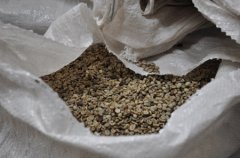
Introduction of Coffee Bean producing areas-- Cuban Fine Coffee beans and Cuban Coffee grown in the Caribbean
Cuba is famous for producing sugar, tobacco and coffee, which was introduced from Haiti by the French in the mid-18th century. According to the size of coffee beans, the grades are divided into ETL (Super), TL (Intermediate) and AL (ordinary). The coffee beans produced in Cuba are rich in texture and have a strong smoky taste. In Cuba, the cultivation of coffee is regulated by the state. The best coffee growing area in Cuba

Amber Coffee with fine grains and mellow taste
Amber coffee beans mainly come from the Caribbean, whether it is the Crystal Mountains in Cuba or the natural pastures in Colombia. The growth of coffee trees provides a favorable natural environment. With fertile land, humid climate and abundant Rain Water, the Caribbean can be called a natural treasure land for coffee cultivation. The coffee forest has high humidity, small temperature difference and slow ripening of coffee beans, which is beneficial to caffeine and aromatic substances.

Cubita Coffee from Cuba in Caribbean Coffee region tastes clean, delicate and sweet.
Professional coffee knowledge exchange more coffee bean information please follow the coffee workshop (Wechat official account cafe_style) front street-Cuba Coffee introduction in Cuba, coffee cultivation is regulated by the state. The best coffee growing area in Cuba is located in the Central Mountains. Because this area not only grows coffee, but also produces quartz, crystal and other precious minerals, it is also known as Crystal Mountain.

Coffee beans recommend "fine granules, mellow taste" of amber coffee.
Amber coffee beans mainly come from the Caribbean, whether it is the Crystal Mountains in Cuba or the natural pastures in Colombia. The growth of coffee trees provides a favorable natural environment. With fertile land, humid climate and abundant Rain Water, the Caribbean can be called a natural treasure land for coffee cultivation. The coffee forest has high humidity, small temperature difference and slow ripening of coffee beans, which is beneficial to caffeine and aromatic substances.

Introduction to the characteristics of Cuban Crystal Mountain Coffee Manor with special Caribbean flavor coffee
Cubita is produced in coffee from the pollution-free Crystal Mountain in the high altitude of Cuba, which is adjacent to the Blue Mountain Mountains of Jamaica and has similar climatic conditions, comparable to Jamaican Blue Mountain Coffee. Crystal Mountain is also known as the Blue Mountain of Cuba. So there are a lot of coffee under the banner of the Cuban Blue Mountains, but the purest Crystal Mountain Coffee Cubita is allowed to use Cuban water.

Coffee regions around the world introduce the most fashionable luxury cafes
Costa Rica Famous coffee: Tarrazu Nicaragua Famous coffee: Nicaragua Honduras Famous coffee: Honduras Panama Famous coffee: Panama El Salvador Famous coffee: Sal

Where is the Blue Mountain Coffee from? I can't believe how much a kilo of Blue Mountain Coffee is from the Caribbean.
Professional coffee knowledge exchange more coffee bean information please follow the coffee workshop (Wechat official account cafe_style) front street-Jamaica Blue Mountain introduction, as we all know, Blue Mountain coffee is famous all over the world, unlike other coffee, Blue Mountain coffee in the sweet, sour, bitter three taste to achieve a perfect balance, the taste is not bitter, but shows a moderate sour taste, plus more

Blue Mountain Coffee, the highest Peak in the Caribbean, introduces boutique Blue Mountain Coffee
When it comes to Jamaica, everyone's eyes lit up immediately because it produced the best Jamaican Blue Mountain Coffee (Jamaica Blue Mountain) in the world. We absolutely believe that Jamaica Blue Mountain Coffee is the best coffee, its acid, sugar, alcohol and bitterness are well balanced, fragrant and smooth to drink, but its price is too high, although it is worth a try, there is no need to do so.

What is the planting environment and flavor characteristics of Blue Mountain Coffee? Does Blue Mountain have instant coffee?
What is the planting environment and flavor characteristics of Blue Mountain Coffee? Does Blue Mountain have instant coffee? "Jamaica is an island in the Caribbean." Jamaica is an island in the Caribbean Sea. Another big island facing to the north is Cuba, and the other big island to the north is Cuba. The island countries facing to the east are Haiti and Puerto Rico, which is also the most beautiful in the Caribbean.

Jamaica Blue Mountain Coffee, Alpine Coffee Introduction Caribbean
Blue Mountain Coffee has a relatively fixed consumer group because of its expensive price, and its sales are mainly concentrated in Japan, followed by some European and American countries. Coffee beans are plump in shape and slightly larger than ordinary beans. It tastes very subtle, sour, fragrant, mellow, sweet and intense, slightly bitter, taste harmonious, excellent flavor, suitable for single-serve coffee. It's medium.

Coffee Manor in Jamaica introduces the Caribbean region of Valenford Manor
When a British naval fleet arrived on the island of Jamaica in 1746, the fleet commander, the famous botanist Sir Matthew Forlan, inspected all kinds of plants on the island and bought a piece of land here, which is today's Valenford Coffee Manor. For nearly three hundred years since then, it has been growing the best Jamaican Blue Mountain coffee in the world. There is no need for the Blue Mountain, the national treasure of Jamaica.

History of the Origin and Development of the Caribbean region of St. Thomas Coffee at Valenford Manor, Jamaica
The company's Blue Mountain Coffee Plantation is located in the heart of the Blue Mountains at the junction of St. Andrews and Portland, while Alpine Coffee plantations are located in Clarendon, St. Catherine and St. James. The company's business runs through the whole process of coffee production, from planting, primary processing, storage and sale of raw beans to coffee roasting and sales of cooked beans, and has developed new phases in recent years.